Memory64 GB DDR3
Storage250GB SSD
Network port3 Gbps
LocationMadrid
Spain•Madrid•3 Gbps
Compare 8 residential ip servers in Madrid with a 3 Gbps port, from 300 EUR/month. Review CPU, RAM, storage and the price of each configuration.
From 300.00 € / month · 8 configurations
Monthly server prices. Ask on Telegram about the included operating system and the additional IPv4 addresses you need.
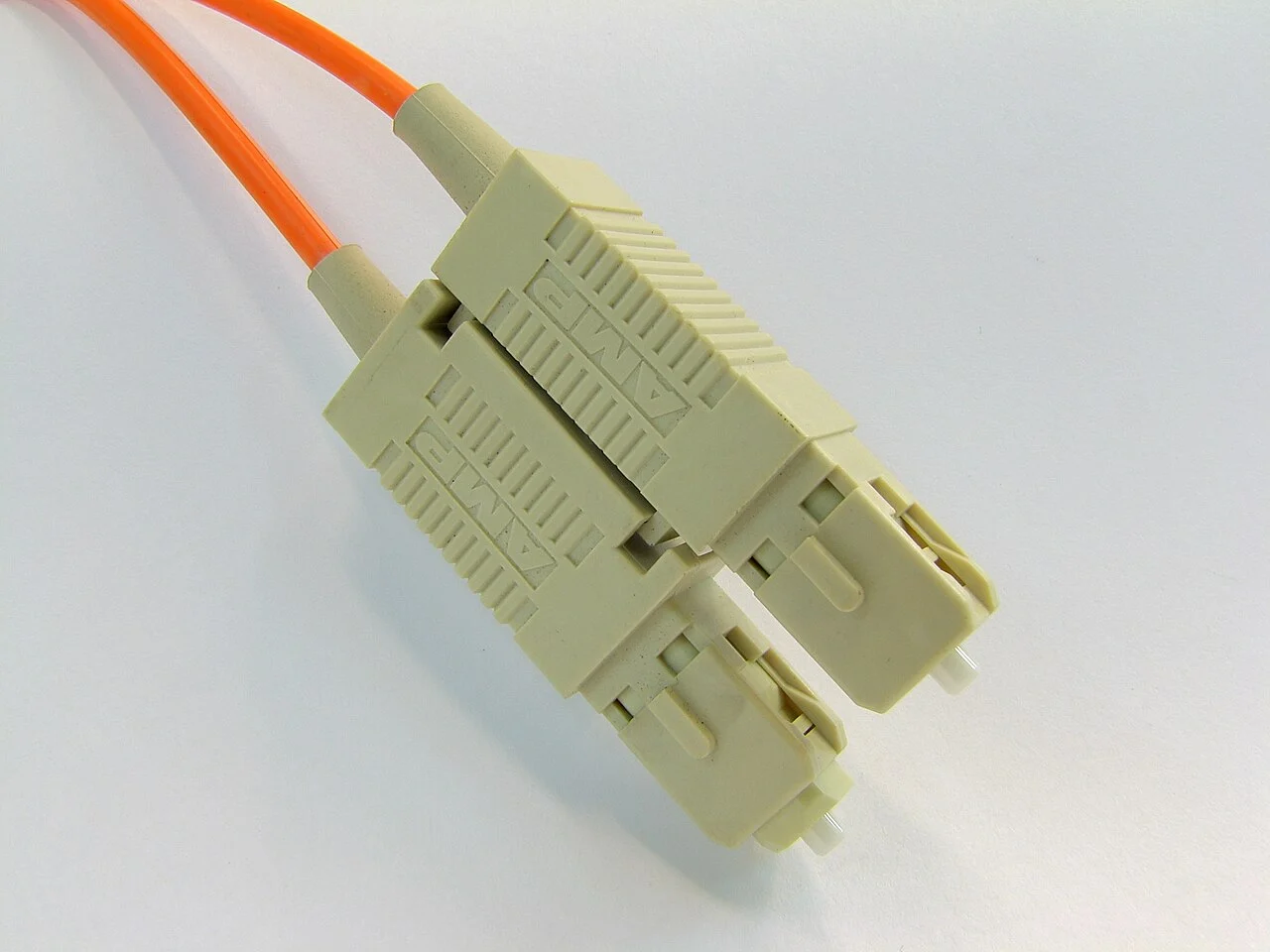
A Spain 3 Gbps residential IP deployment can involve applications that find other services by name. Before moving or reconfiguring them, identify where those names are used: application settings, scheduled integrations and clients maintained by another team. Record the lookup result expected after the change and decide how your team will check it. Use that information alongside the selected Madrid server specification, so that the installation requirements cover the application's dependencies as well as its CPU and memory.
DNS resource records have a time-to-live value that limits how long cached information may be retained under the protocol. Review the relevant records when planning a change, and test the lookup behaviour of the clients you actually use. Keep observations from the transition rather than assuming all clients will see a revision at the same instant. The eight residential IP configurations at 3 Gbps provide hardware options to compare; prepare the naming and cache questions that matter to your software before requesting the chosen plan.
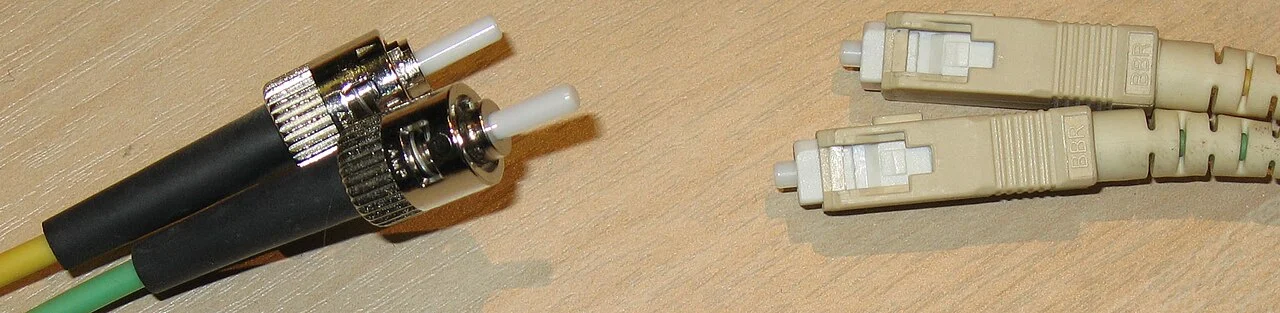
A successful domain lookup on an administrator's computer is only one observation. For a Madrid 3 Gbps residential IP server, include checks from the environment where the application will run. Identify the external names the software needs, the expected results and the person responsible for investigating a failed lookup. Keep this dependency list in the installation record and test it after a significant networking or operating system change. The hardware comparison should use the requirements of the complete application, including the services it contacts.
systemd-resolved documents name-resolution services and per-link configuration on systems that use it. If that component belongs to your installation, review its settings and status when checking an application lookup. Other systems have their own resolver configuration, which should be documented for the chosen environment. Compare observations from the actual deployment instead of relying on a check from a different machine. Include unresolved installation questions with the preferred Spain residential IP configuration when preparing your server enquiry.

