Memory128 GB DDR4 ECC Registered
Storage100 TB HDD + 500 GB SSD (OS)
Network port10 Gbps
LocationMiami
United States•Miami•10 Gbps
Compare 12 storage servers in Miami with a 10 Gbps port, from 700 EUR/month. Review CPU, RAM, storage and the price of each configuration.
From 700.00 € / month · 12 configurations
Monthly server prices. Ask on Telegram about the included operating system and the additional IPv4 addresses you need.
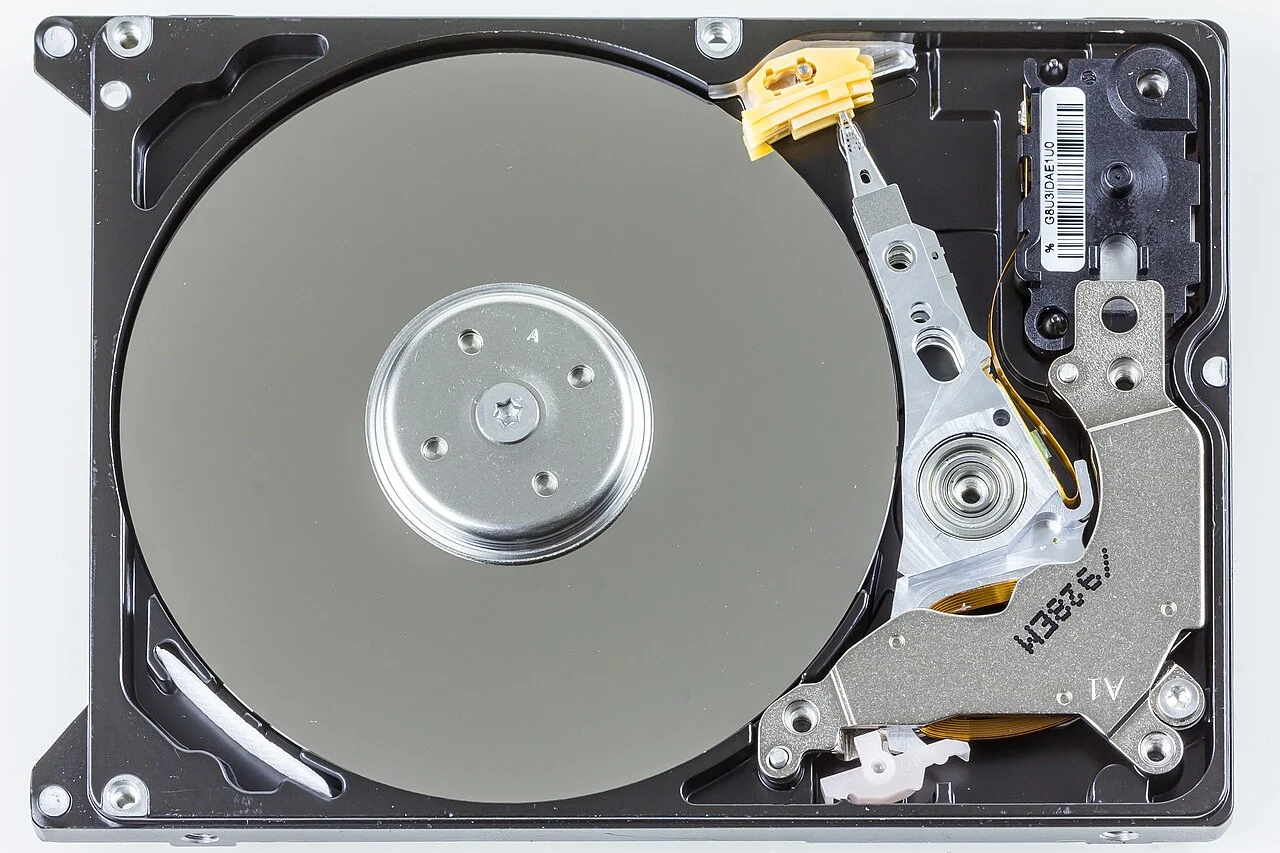
The United States Storage catalogue lists twelve capacities from 100 to 650 TB HDD in Miami, with a 10 Gbps port. Before choosing a capacity, prepare a retention inventory for your datasets. Give each collection an owner and a review date, and distinguish data that must remain available from temporary material that can be reconsidered later. Include the way you will obtain approval before removing a collection, so that the storage plan is accompanied by an understandable lifecycle for its contents.
GNU find documents selection tests based on file modification time. If your review procedure uses those tests, check their interpretation and inspect a proposed file list before taking any action. File age is one observation; the collection owner still needs to decide whether the data should be retained. Record the decision with the dataset description. Compare the Miami Storage configurations with this inventory and prepare a capacity enquiry based on the collections your own organisation intends to keep.
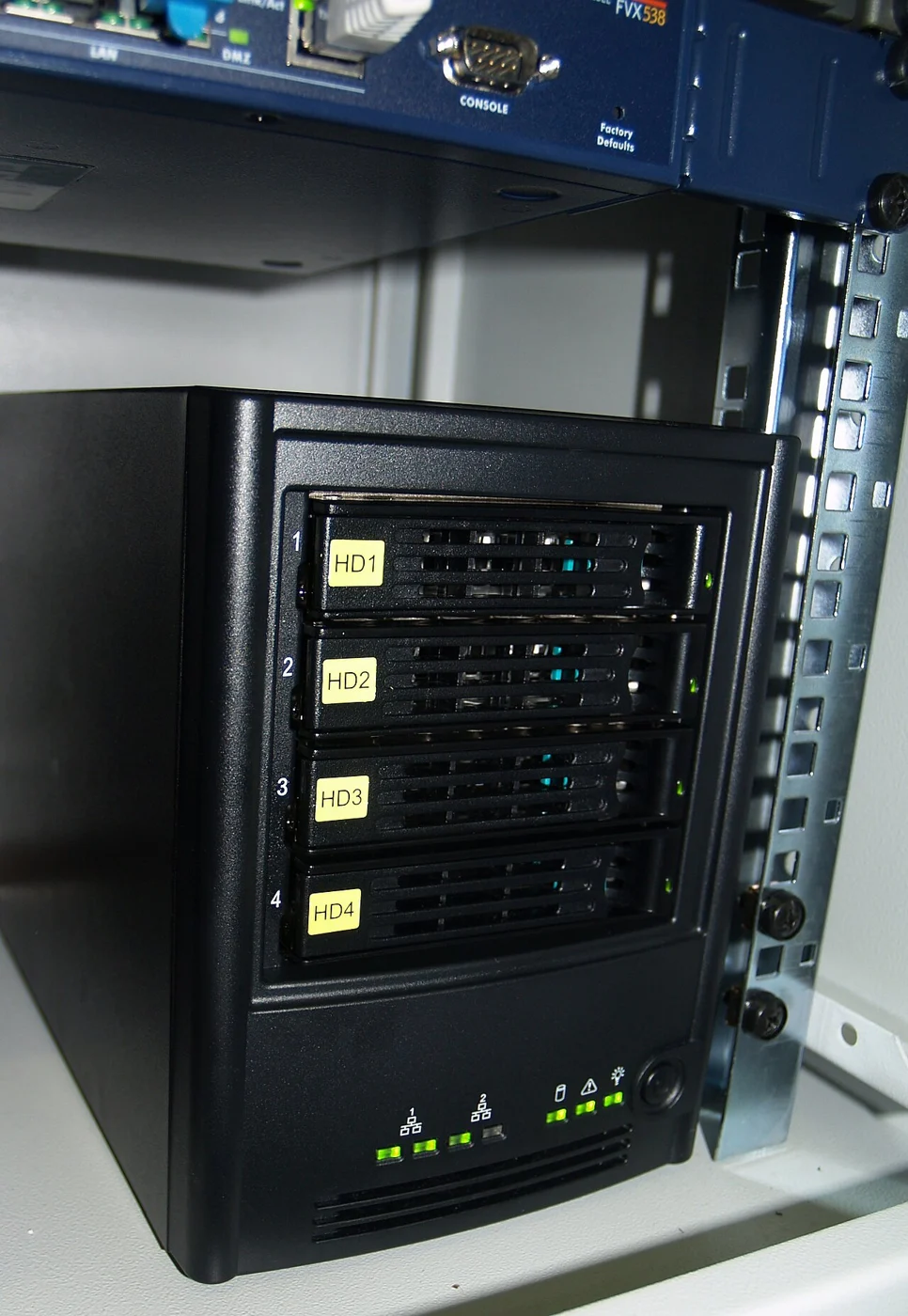
If a collection comes from a database, its export procedure belongs in the Storage installation plan. For the Miami 10 Gbps category, identify the application that produces the data, the database version and the files needed to interpret the export later. Record who performs the export and how its result is checked. Keep that description with the collection when comparing the 100 to 650 TB configurations, so that retained data has an understandable origin as well as a place to store it.
PostgreSQL documents pg_dump as a tool that can produce a consistent database backup while the database is in use. If that is your source system, review the selected output format and its restore requirements. Test an export and a corresponding import with the versions you intend to use. Other applications need their own documented export method. Include the resulting files and the instructions required to read them in your Storage enquiry and archive record, without assuming that application files can simply be copied while changing.

